

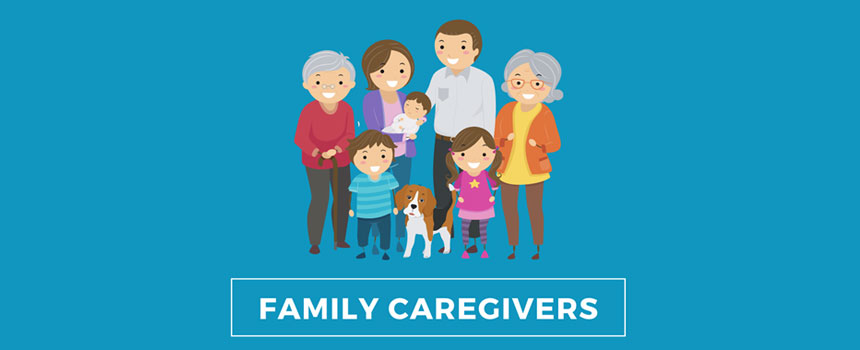
CAREGIVERS
CAREGIVERS
Unmet caregiving support needs are
associated with lower life satisfaction, more daily stress and worse
self-reported mental health.
Published on 7th July, 2021
Many Canadians are providing care or help to someone with a long-term
health condition, a physical or mental disability, or problems related to
aging. Support given to caregivers may help alleviate potential economic and
health-related implications of caregiving.
Caregiving may be a
positive experience for many family caregivers.
It has been found to provide them with a sense of giving back to loved
ones and an increased sense of meaning and purpose in life. It may also lower
potential health care costs. While there may be some benefits to caregiving, it
can also have an impact on a person’s physical and mental health, as well as
their financial situation.
It is for these reasons that support provided to caregivers is
important, since it can help mitigate some of the potential negative impacts
associated with caregiving. Support to caregivers can come in the form of paid
services and assistance received from government programs and tax credits, but
can also be in the form of unpaid support provided by friends and family.
Support may help alleviate some of the potential negative economic and
health impacts related to caregiving. Help from a family caregiver can help
reduce feelings of isolation and loneliness and increase life satisfaction for
those receiving care.
Household size is an important sociodemographic factor; also the
presence of one or more extended family members (e.g., grandparents). Household
size has been on the decline in Canada over the past century and, as a result,
issues such as the care given to family members may be spread over a smaller
circle of potential family caregivers.
The amount of support received by caregivers also depended on the
characteristics of the people for whom they provide care. The relationship
between the caregiver and care receiver, the age of the care receiver, and the living
arrangements of the care receiver were important.
Caregivers who provide care to their children were more likely to
receive support than those who provided care to their spouse or partner;
regardless of whether the support was social or financial. Caregivers who
provide care to their spouse or partner seem to receive more support than those
who provided care to their parents, other family members, friends, neighbours
or co-workers, especially financial support.
The age of the person receiving care play an integral role in
caregivers receiving support. Financial support seems more likely to be
provided to those caring for children. The distance between a caregiver and
care receiver can complicate care, as it may mean that more resources need to
be spent on care.
When the care receiver lives with the care provider, they will more
likely receive both financial and social support. Similarly, financial support
is more likely when the care receiver lives in a private household instead of
in supportive housing, an institution or a care facility.
Unmet caregiving support needs seem to vary slightly by province.
Caregivers from Quebec have greater levels of unmet needs. Caregivers from
Newfoundland and Labrador, Prince Edward Island, Manitoba, Saskatchewan, New
Brunswick, Nova Scotia and Alberta, also have lower unmet caregiving needs than
caregivers in Ontario.
-
Tags:CAREGIVERS






All of our employees have roots in their community.